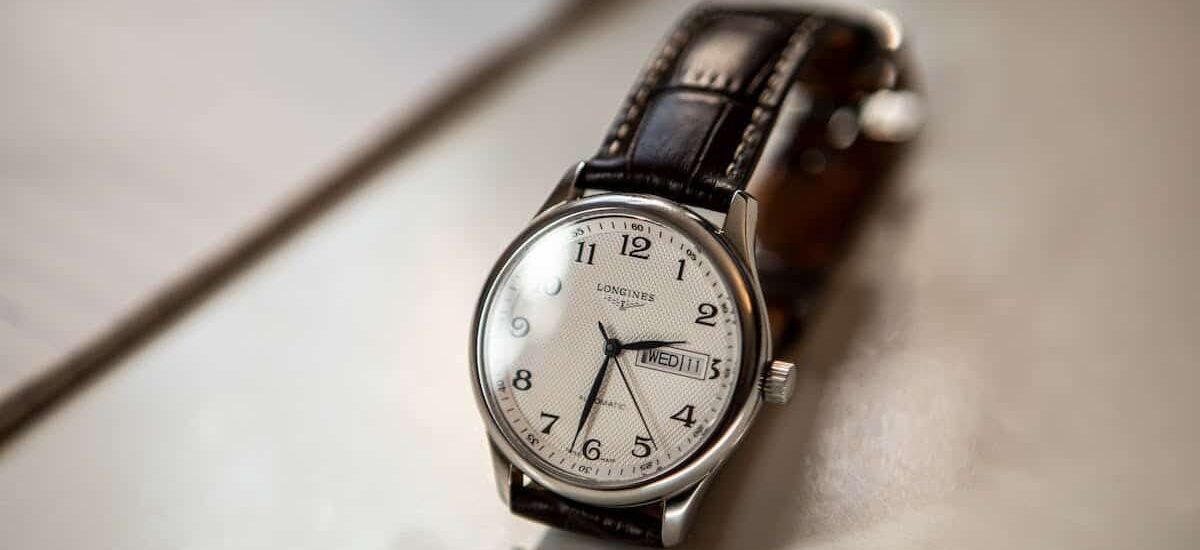
At the heart of elegance and refinement, automatic watchmaking combines precision and ingenuity in timeless creations. These technical jewels can sometimes encounter problems, requiring special maintenance or even restoration. For watch enthusiasts, understanding how to maintain and wind a defective automatic watch is a valuable skill. It is a delicate process that requires a certain level of expertise, as well as specific tools. In these lines, we will explore the different steps of this process, from warning signs to watch out for to repair techniques.
How to maintain an automatic watch: the basics to know
Problems related to an automatic watch that stops can be numerous. This may indicate wear of internal components, a lack of oil, or a malfunction of the winding mechanism. The automatic watch works thanks to the daily movement of the user’s wrist. If you do not wear it for a few days, it may simply lose its power reserve and stop.
You need to understand the fundamental workings of an automatic watch in order to identify the warning signs when something starts to go wrong. For example, if your automatic watch that stops also shows anomalies such as changes in accuracy or resistance when you try to wind the crown, this could indicate that the movement needs to be cleaned or oiled by a professional watchmaker.
Beyond its regular and proper use, there are also several other recommendations to keep your timepiece in perfect condition: avoid violent shocks that can damage the internal mechanism; protect it from water, of course • even if many are designed to withstand daily splashes • unless it is specifically designed to be waterproof; keep it away from strong magnetic fields as they can disrupt the balance wheel’s movement.
You should visit the watchmaker every two to three years for a general check-up. The watchmaker can then check the condition of the various parts, clean the movement, and renew the lubrication. This is also an opportunity to replace the seals that may have degraded over time.
Maintaining an automatic watch requires a bit more effort than simply wearing it on your wrist every day.
Identifying common watch problems and resolving them
When your automatic watch encounters problems, you need to identify them correctly in order to resolve them effectively. Here are some common problems you might face and suggestions for addressing them:
Watch running fast or slow: If your watch is running slow or too fast, this may indicate a problem with the escapement mechanism. In this case, it is advisable to consult a qualified watchmaker for a complete revision of the movement.
Broken mainspring: The mainspring is responsible for the tension needed for the regular operation of the automatic watch. If it breaks, the watch will stop immediately. The defective spring will then need to be replaced with a new one.
Winding problem: If you notice that your watch is not winding properly or if you have difficulty turning the crown, this may indicate a malfunction of the internal mechanism or simply that your timepiece needs a deep cleaning.
Insufficient power reserve: Another common cause of unexpected stops in the automatic watch is the total depletion of its power reserve. This can occur if you do not wear your watch regularly or if it is not sufficiently used in daily activities.
Waterproofing issues: The seals are essential for protecting the internal movement from moisture and dust. If they are damaged, this can lead to waterproofing issues and even water infiltration. When you notice signs such as condensation inside the dial or a complete stop after exposure to water, you need to have your watch serviced by a professional.
Identifying common problems that automatic watches may face is crucial for preserving their proper functioning. If you encounter these issues, it is advisable to consult a qualified watchmaker quickly who can accurately diagnose the malfunction and provide the appropriate solutions to restore your watch to optimal condition.
The essential tools for repairing a defective watch
The necessary tools for winding a defective watch are essential for performing repairs with precision and care. Here are some of the instruments you will need:
Tweezers: These small tools allow you to easily handle delicate parts inside the movement without risking damage.
The watchmaker’s screwdriver: This tool is essential for opening the watch case and accessing the internal mechanism. There are different types and sizes of screwdrivers suitable for the various screws found in an automatic watch.
The air blower: This instrument is used to remove dust and other unwanted particles that can accumulate inside the movement. It is also used to dry components after a thorough cleaning.
The support block: This is a support specifically designed to hold the movement securely while you make repairs or precise adjustments.
The pusher remover: This tool is used to safely remove pushers and crown stems to access the internal parts of the mechanism.
The hand-setting tool: This fine needle is necessary when it is required to properly place certain hands on the dial, ensuring their precise alignment.
The watch lubricant: It is essential for ensuring the proper functioning and durability of the movement. The lubricant must be applied carefully to friction points to reduce wear and optimize performance.
It is important to note that winding a defective watch requires specific know-how and in-depth expertise. If you are not familiar with these tools or do not feel comfortable performing advanced repairs, it is strongly recommended to entrust your watch to a qualified professional.
Regularly taking care of your automatic watch by following certain simple rules can greatly contribute to maintaining its optimal condition.
Essential steps to wind a defective automatic watch
In this section, we will guide you through the different steps to wind a defective automatic watch. It should be noted that these steps require great precision and a thorough understanding of how automatic watches work.
Before you begin, make sure you have a clean and well-lit workspace. Wear cotton gloves to avoid damaging the components with your fingerprints. Also, ensure you have all the necessary tools at hand.
Use the appropriate watchmaker’s screwdriver to remove the screws holding the case in place. Be careful during this step to avoid damaging the surface of the case or scratching the sapphire glass.
Once the case is open, you can access the internal mechanism, also known as the movement. Use the appropriate tweezers to gently handle the various parts without risking damage.
Cleaning is a crucial step in winding a defective automatic watch.
Tips to extend the life of a malfunctioning automatic watch
In this section, we will discuss the precautions to take when maintaining a watch to ensure its protection and proper functioning. Following these recommendations is essential to avoid any potential damage during the process.
The first precaution is to handle the watch gently. It is crucial to avoid abrupt movements that could damage the delicate and fragile mechanisms of the automatic watch. Gentle handling will also help prevent scratches on the case or the precious metal bracelet.
You should use appropriate tools when winding or adjusting the automatic watch. Specific, adjustable, and non-slip screwdrivers will be necessary to access the various internal compartments without risking damage. You should avoid sharp or inappropriate objects that could cause unwanted scratches.
It is important to maintain a clean and dry environment when working on a defective automatic watch. The presence of moisture can lead to premature oxidation of internal components as well as general deterioration of the watch movement. A specialized workbench equipped with an anti-static mat will be ideal for working under optimal conditions.
It is crucial to strictly follow the manufacturer’s instructions regarding the winding and maintenance of the watch. Each model may have specific technical features that require a particular approach. Referring to the provided documentation will help avoid any fatal errors in the process.
It is advisable to seek the services of a professional watchmaker in case of difficulties or if you are unsure when it comes to intervening on a defective automatic watch. An expert can accurately assess the problems encountered and provide appropriate solutions while preserving the mechanical integrity of the timepiece.
By following these wise tips, you can effectively extend the life of your defective automatic watch while avoiding costly mistakes. Take the necessary time and act with caution so that this horological marvel can continue to accompany you faithfully over the years.