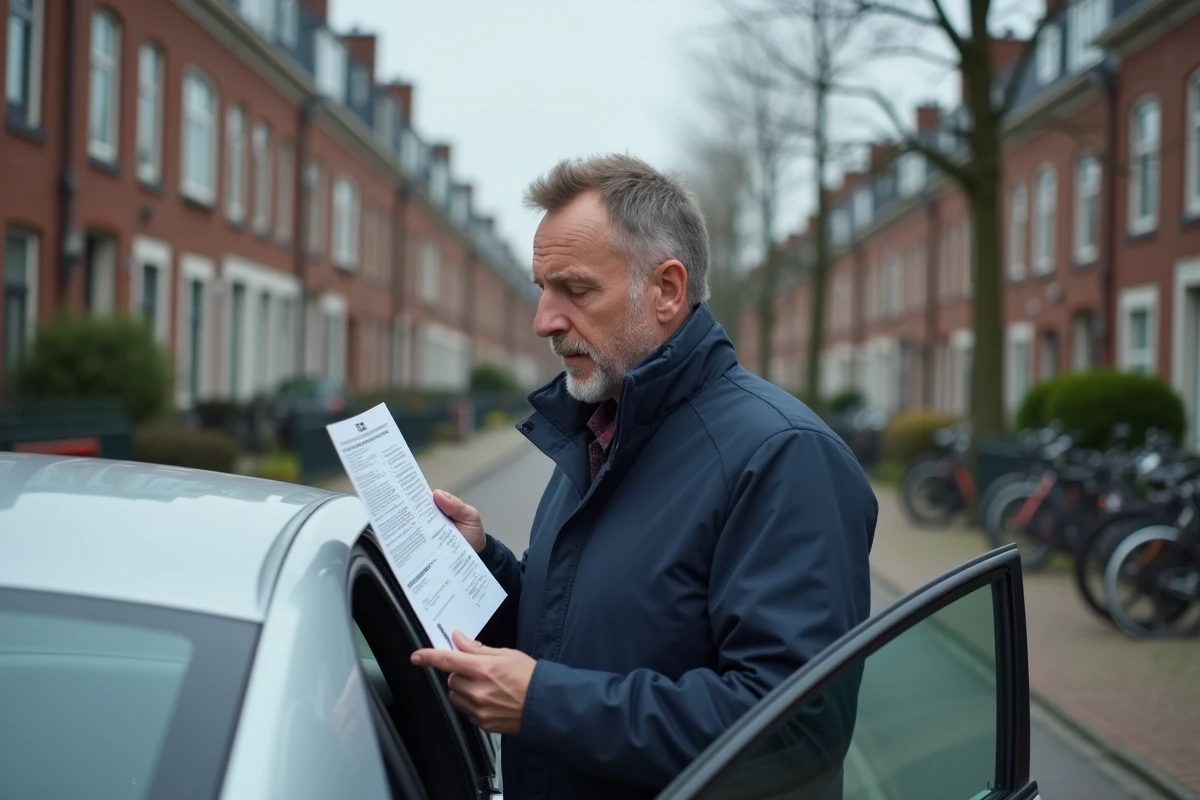
Are you preparing a road trip to Amsterdam or Rotterdam and wondering if you need to buy a vignette before crossing the border? In the Netherlands, the situation is different from what you know in Switzerland or Austria. The country does not charge tolls or highway vignettes for private cars. The main constraint concerns access to certain cities, via environmental zones called Milieuzone.
Dutch Highways: No Tolls or Vignettes for Cars
Contrary to popular belief, Dutch highways are free for light vehicles. No toll barriers, no vignette to stick on the windshield. You can drive freely on the entire intercity network without any fees.
This free access distinguishes the Netherlands from neighbors like Belgium (where some regions impose restrictions) or Germany (which has long debated a car vignette). For French drivers accustomed to the Crit’Air system or highway tolls, this is a pleasant surprise.
If you want to delve deeper into the topic of vignettes and vehicle registration in the Netherlands, the obligations actually focus on two distinct aspects: low emission urban areas and vehicle registration if you settle in the country.
Milieuzone: Environmental Zones Replacing the Vignette
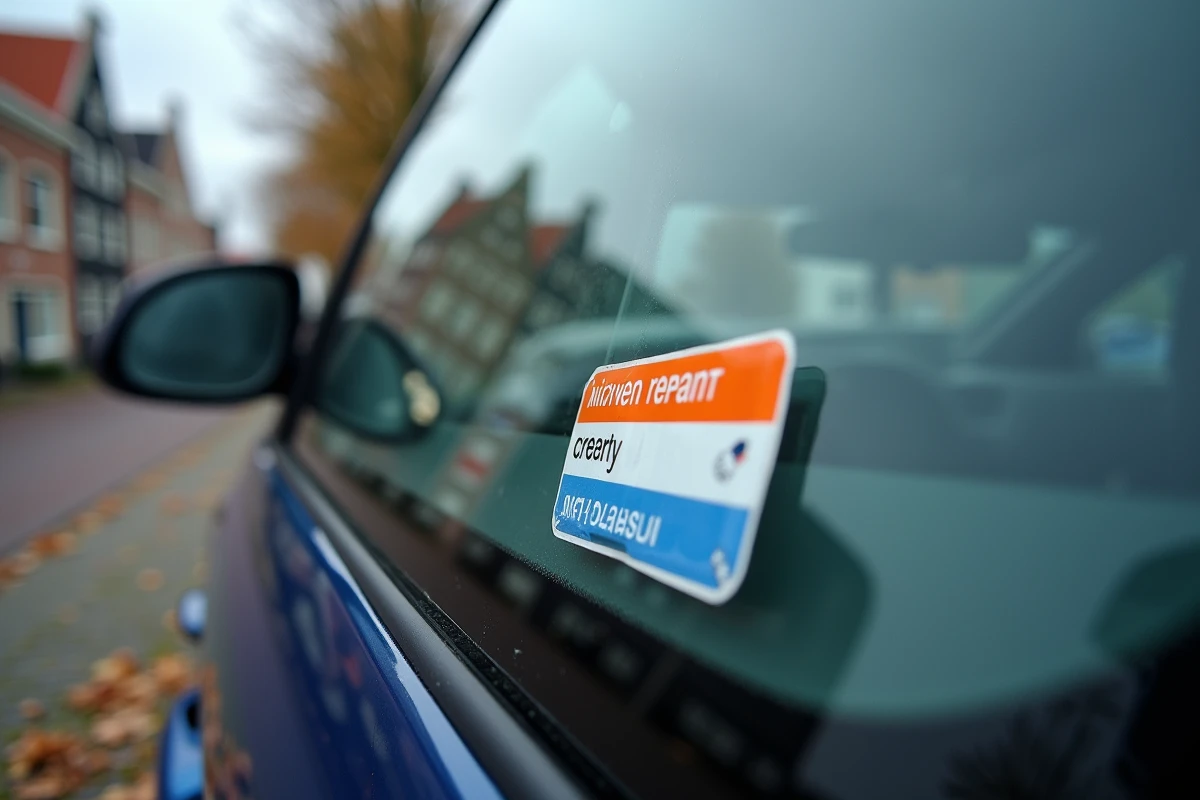
In the Netherlands, the main restriction for driving in the city is called the Milieuzone. These are low emission zones established by municipalities to improve air quality. They operate without a physical vignette, which confuses many foreign visitors.
A System Based on License Plate Recognition
Cameras automatically read your license plate at the entrance of the zone. The system then checks if your vehicle meets the required emission standards. If it does not, a fine is sent directly to you.
No prior action is required for compliant vehicles. You have nothing to buy or register. The control is fully automated, active year-round and 24 hours a day.

Which Cities Apply These Restrictions to Private Cars
Several major Dutch cities apply Milieuzone restrictions to diesel cars and vans:
- Amsterdam, which combines a classic environmental zone and a zero-emission zone for utility vehicles
- The Hague, where restrictions target older diesel vehicles
- Utrecht, with similar rules targeting polluting engines
- Arnhem, which also imposes limitations on diesel vehicles
Recent gasoline vehicles and hybrids or electric cars are generally not affected. Euro 3 diesel vehicles and older are the most exposed to the driving ban in these city centers.
Campervans and Old Diesel Vehicles: The Problematic Cases
Are you traveling in a diesel campervan registered before Euro 4 standards? This is precisely the type of vehicle at the highest risk. Milieuzone does not distinguish between residents and tourists: the rules also apply to foreign plates.
Before planning a stop in the center of Amsterdam or Utrecht, check your vehicle’s Euro standard. It is listed on your French registration certificate (field V.9). A diesel campervan classified as Euro 2, for example, will be denied access to most Dutch environmental zones.
Fines for non-compliance with a Milieuzone are sent by mail, including to foreign addresses. The automatic license plate recognition system allows Dutch authorities to identify the owner through European databases.
Vehicle Registration in the Netherlands: What Changes When You Settle
For passing tourists, no registration formalities are required. Your French registration remains valid during your stay. The situation changes radically if you settle in the Netherlands.
Mandatory Registration with the RDW
The RDW (Rijksdienst voor het Wegverkeer) is the authority responsible for vehicle registration in the Netherlands. Anyone residing in the country must register their vehicle with this authority.
The Dutch registration certificate has been in a credit card format since 2014. It is called Deel I (part 1). Deel II, or export declaration, only comes into play when a vehicle is permanently leaving the Dutch register, for example, to be re-registered in France.
The BPM Tax, a Cost Not to Be Overlooked
When importing a vehicle to the Netherlands, a specific tax called BPM (Belasting van Personenauto’s en Motorrijwielen) applies. This tax is calculated based on the vehicle’s CO2 emissions. The more CO2 your car emits, the higher the BPM.
This taxation explains why electric vehicles are particularly popular in the Netherlands: they are exempt from it, significantly reducing the total acquisition cost.
Heavy Vehicles: The End of the Eurovignette in 2026
If you drive a heavy vehicle, a major change is on the horizon. Starting July 1, 2026, the Netherlands will leave the Eurovignette system. This flat-rate vignette, valid in several European countries, will be replaced by a national tax calculated per kilometer.
This shift from a flat rate to a per-kilometer charge changes the economic logic for transporters. Short trips will cost less, while high-mileage drivers will pay more. For light vehicle drivers and campervan users, this change has no impact.
Thus, the Netherlands remains a country where driving a private car incurs no costs in terms of vignettes or tolls. The only caution concerns low emission urban areas, which operate without stickers but with cameras and very real fines. Check your vehicle’s Euro standard before heading to a city center, and you can drive with peace of mind.