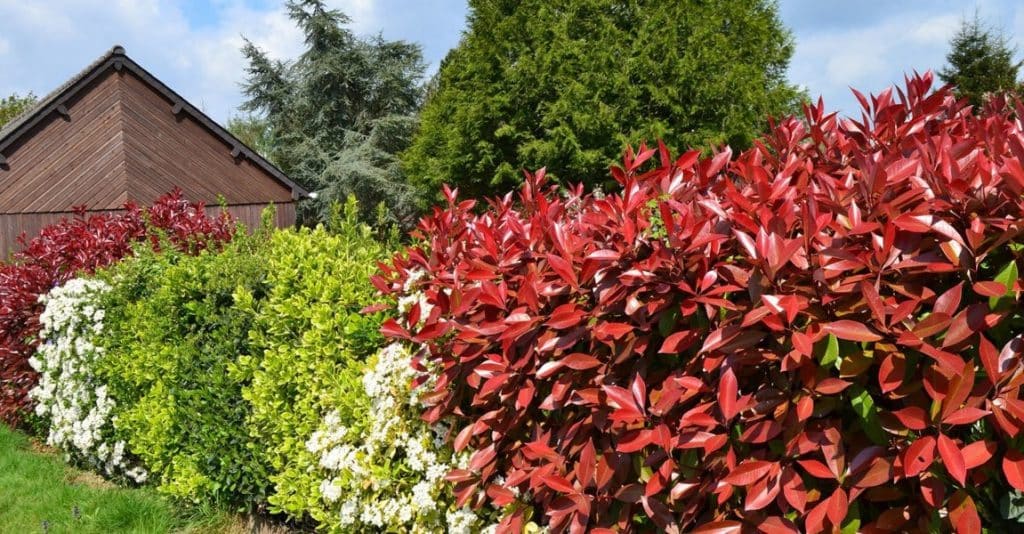
There are several types of plants, but all play a specific role in a garden hedge. Some species are known for making gardens harmonious and attractive. Others shine with ornamental characteristics through their multiple colors and pleasant fragrance. Similarly, there are giant shrubs that can serve as windbreaks or privacy screens from outside views. It is therefore quite evident that one must make an intelligent choice among this diversity of plants to create a multifunctional hedge. Here are 4 types of plants to prioritize in this regard.
-
Plants for a decorative hedge
It is entirely beneficial for a homeowner to make their hedge a decorative space. It is an alternative that makes the yard more appealing and gives it a summery atmosphere. If the goal of your garden hedge aligns with this, choose pink, red, or white azaleas, dwarf barberries, or even creeping oceanthes. These plants provide an aesthetic appearance to the garden throughout the season. They bloom in a variety of colors (variegated, colorful…) during spring and maintain the same flowering until autumn. Additionally, in winter, they produce fruits for your culinary desires, and even better, their fragrance is an appetizing scent all year round. More info at https://www.taillehaie.info.
-
The Yew, a privacy plant
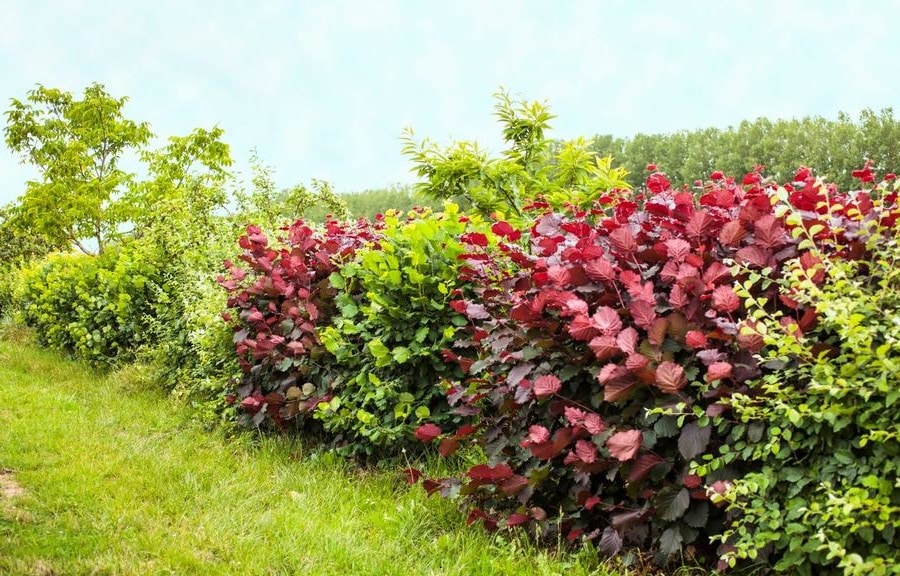
Some plants are queens in the preservation of privacy from outside views. Homeowners are all driven by the desire to live in tranquility, away from the events and passersby of the surrounding streets. In this regard, you can choose to plant a shrub such as the yew to later benefit from an absolutely impenetrable green screen from prying eyes. Like the privet, osmanthus, and laurel, the yew is a evergreen plant that particularly blooms in winter. These very dense plants can be complemented by symphorine and forsythia to form a well-defined vegetation.
-
The Poncirus for its defensive qualities
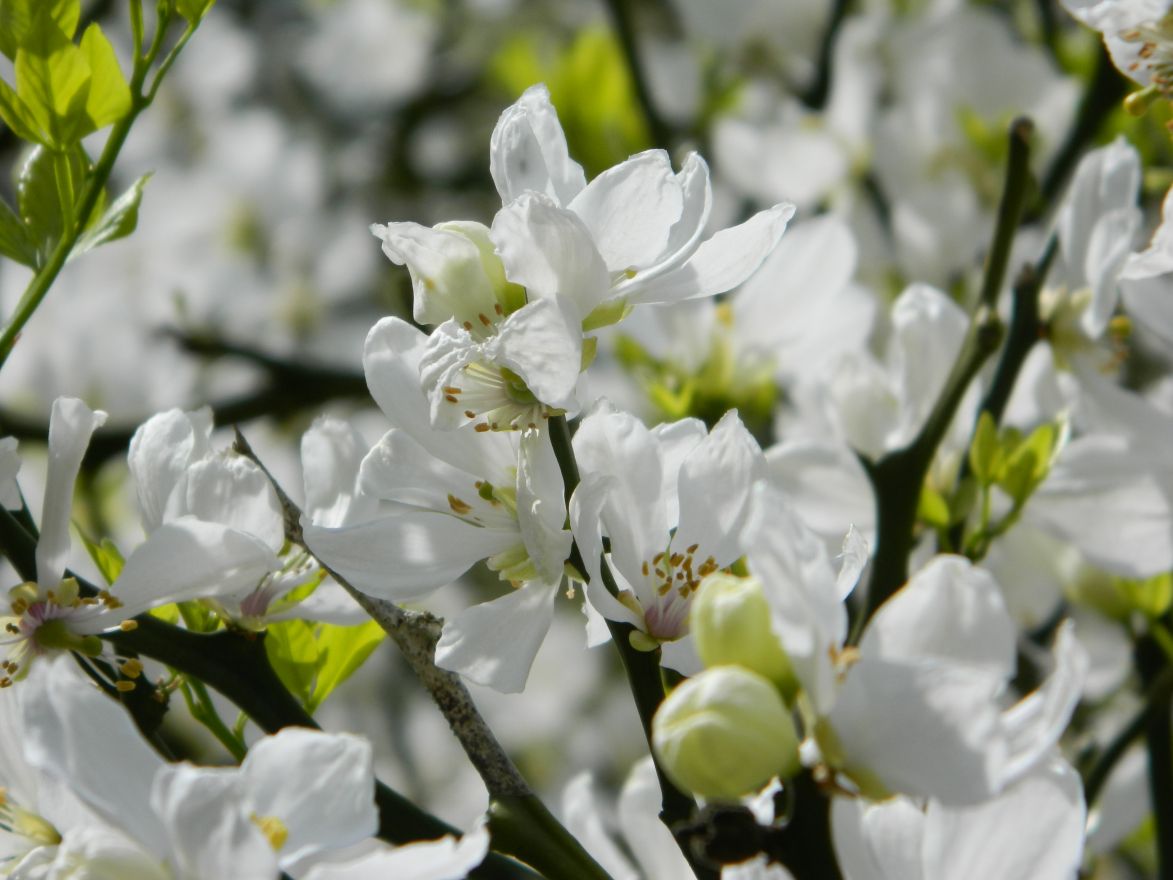
Thanks to its thorns measuring between 5 to 10 cm, the Poncirus protects your garden hedge from any intrusion. These spikes are very effective even against animal shells. Practically impenetrable, these flowers also have two secondary characteristics: the first is decorative through the foliage of varied colors and the second is protective due to the density they possess. You can add plants like pyracantha, holly, etc., to the poncirus for additional benefits.
-
Hazelnut trees to satisfy your cravings
Several ranges of fruiting plants exist. After aesthetic appeal and the protection your hedge should provide, it is the icing on the cake to be able to taste the delights of hazelnut fruits. When you complement the planting of other plants like apple trees, pear trees, or nectarines with the poncirus, you have the chance to have apples, pears, or cherries at your fingertips. These plants are just as fruitful as they are decorative.
In summary, a mix of plants in your garden hedge offers multiple benefits. Just make the right selection and provide the appropriate maintenance to enjoy the resulting virtues.