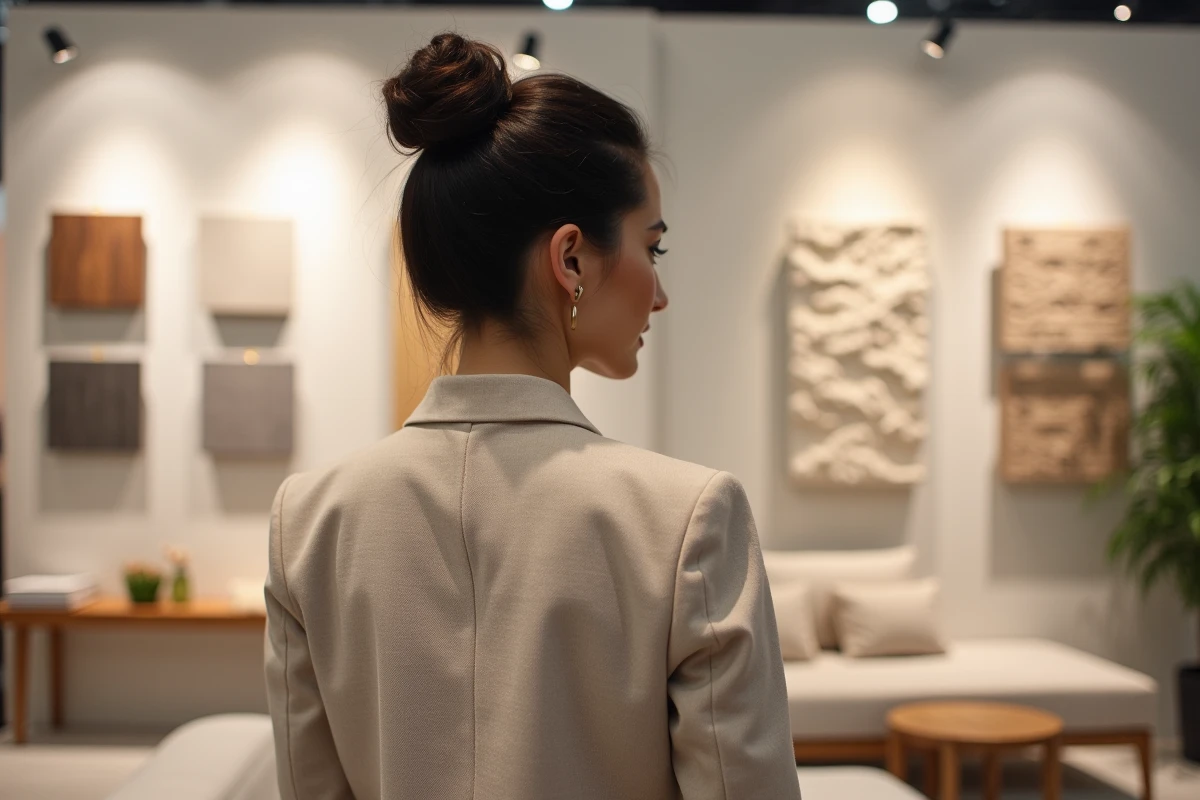
The Tendances Habitat Show this year focuses its technical platforms on three structural axes: the low carbon performance of building envelopes, energy-efficient home automation, and the return of raw materials in interior design. We are observing a clear shift among exhibitors towards comprehensive renovation offers, driven by the gradual tightening of the Energy Performance Certificate (DPE) and the ban on renting out homes classified as F and G.
Biosourced Materials and Low Carbon Insulation at the Tendances Habitat Show
Biosourced sectors are more prominently featured than in previous editions. Insulation made from plant fibers (hemp, flax, cellulose wadding), certified French wood, and low VOC paints are included in the official paths of several exhibitors. This positioning responds to a growing demand from private project owners, now faced with the requirements of RE 2020 during new construction and the reinforced carbon thresholds in renovation.
The key technical point to remember: the thermal resistance of a biosourced insulator depends as much on its installation density as on its intrinsic conductivity. A poorly fitted wood fiber panel in the framework loses a significant part of its declared performance. Several stands this year offer demonstrations of implementation on life-size models, allowing for verification of specific points (wall-roof junction, treatment of thermal bridges) before starting a project.
We recommend comparing the FDES (Environmental and Health Declaration Sheets) displayed at the stands, as they remain the only standardized document for assessing the carbon impact of a product over its entire life cycle. The news on the Tendances Habitat Show details the list of scheduled conferences on these topics, including workshops dedicated to high-performance renovation.
High-Performance Energy Renovation: DPE, Aids, and France Rénov’ Pathways
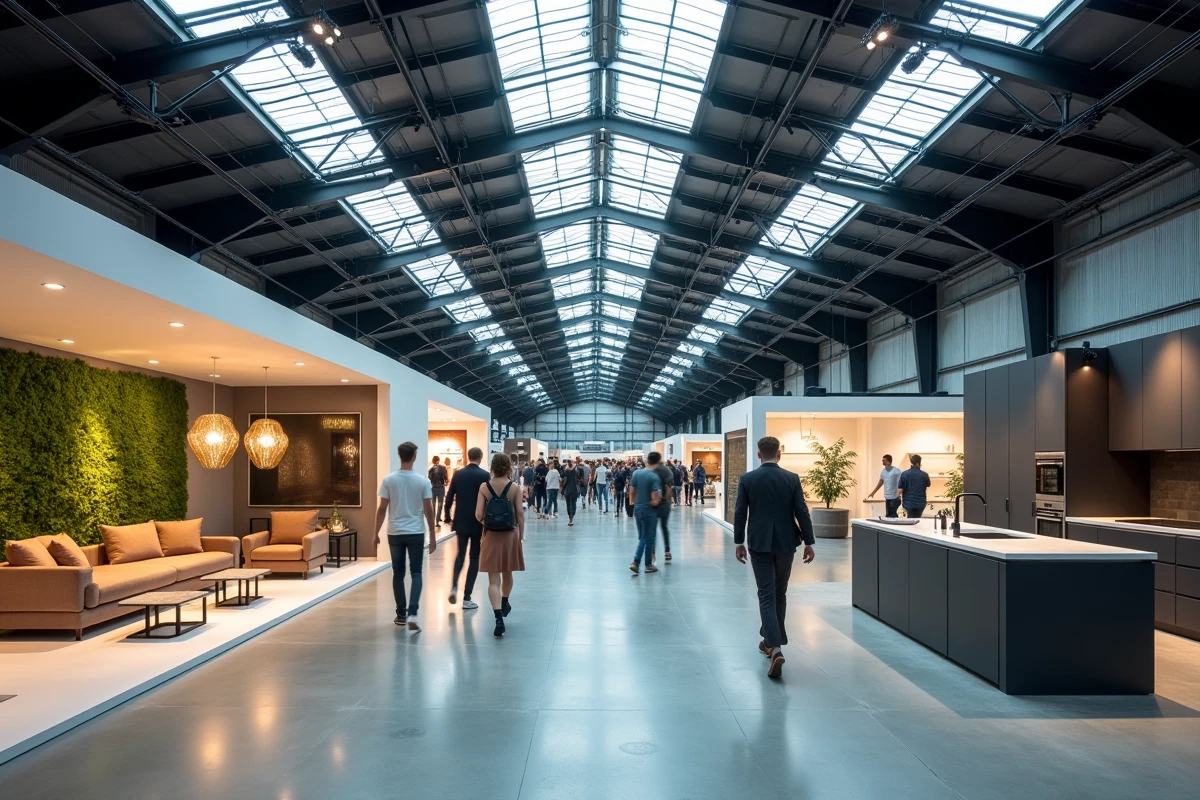
The presence of France Rénov’ Spaces directly at the show changes the game for visitors. FAIRE advisors offer personalized simulations of work packages, integrating MaPrimeRénov’ aids and Energy Savings Certificates. The transition from diagnosis to work prescription takes place on-site, face-to-face.
The technical topic driving the conferences at this edition focuses on high-performance comprehensive renovation, meaning the simultaneous treatment of insulation, ventilation, and heating systems. Feedback shows that renovation through successive gestures costs more in the long term and does not achieve the same performance levels as a coordinated project.
Points of Caution for Owners of Thermal Sieves
- Check the consistency between the DPE report and the work program proposed by the contractor: a simple boiler change is not enough to move out of an F or G class if the envelope remains uninsulated.
- Require a regulatory energy audit before signing a global quote, as it conditions access to the highest aids and allows for prioritizing expenditure items.
- Request the RGE qualification of each participant in the relevant lot (insulation, carpentry, heating), otherwise subsidies may be refused at the time of payment.
Energy-Efficient Home Automation: Control Without Waste
Home shows have long presented the connected home as a stack of gadgets. This edition marks a shift towards energy-efficient home automation, focused on energy regulation. The systems on display prioritize room-by-room heating control, ventilation management based on actual humidity levels, and automatic load shedding during peak pricing periods.
In practice, open protocols (Zigbee, Matter) are gaining ground against closed proprietary ecosystems. For a homeowner renovating, this means the ability to change brands of thermostat or sensor without overhauling the entire installation. We observe a clear reduction in the number of gateways required at the stands, simplifying wiring and reducing the standby power consumption of the system itself.
Decor Trends and Interior Design: Raw Wood, Muted Colors, and Custom Furniture
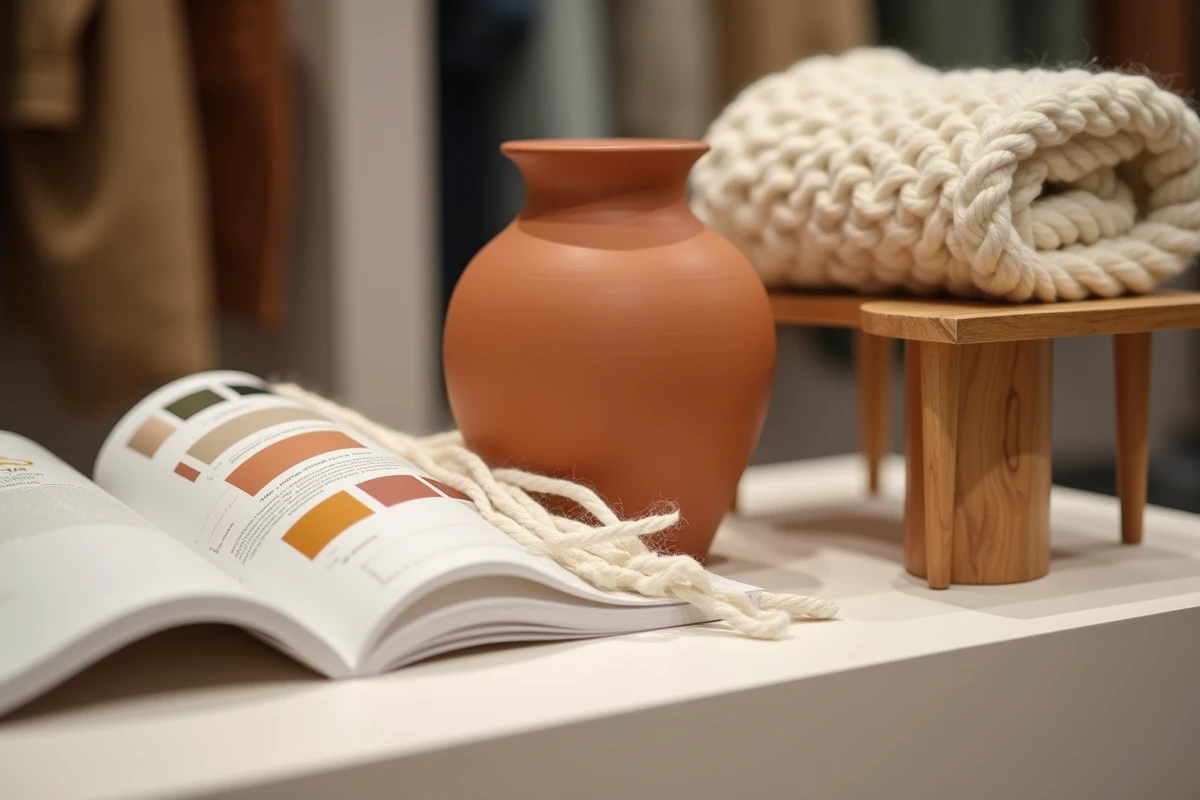
On the design side, the Tendances Habitat Show confirms the return of solid wood left raw or simply oiled, breaking away from the ubiquitous lacquered finishes of recent years. French oak, ash, and beech dominate the collections presented by the carpenters and designers present.
The color palettes on display revolve around muted tones: terracotta, sage green, slate blue. These shades work with natural pigments compatible with the low VOC paints mentioned earlier, maintaining environmental coherence from floor to ceiling.
Custom Furniture and Accessories
Several workshops at the show demonstrate how custom manufacturing is becoming accessible thanks to the democratization of CNC machines in artisanal workshops. Visitors can have a bathroom cabinet or a bookshelf made to the exact dimensions of their interior, with a competitive production time compared to imports.
- Solid wood interior doors with solid cores are making a strong comeback, supported by their superior acoustic performance compared to hollow-core models.
- Decorative accessories made from recycled metal (lighting, handles, shelves) complement the offering with an aesthetic and low carbon positioning.
- Natural fiber wall coverings (jute, sisal) are gradually replacing vinyl wallpapers in high-end ranges.
This edition of the Tendances Habitat Show stands out for its ability to connect technical performance and aesthetic choices. Visitors planning a construction or renovation project will find concrete answers there, provided they compare the technical sheets at the stands and take advantage of France Rénov’ consultations to frame their budget before committing.