The sports and lifestyle landscape this year is marked by underlying movements that are reshaping both individual practices and the economy of the sector. Between the shift towards a wellness-oriented sport, the reconfiguration of media models, and the growing influence of athletes off the field, several key trends deserve close examination.
Sport and mental well-being: the shift that changes practices
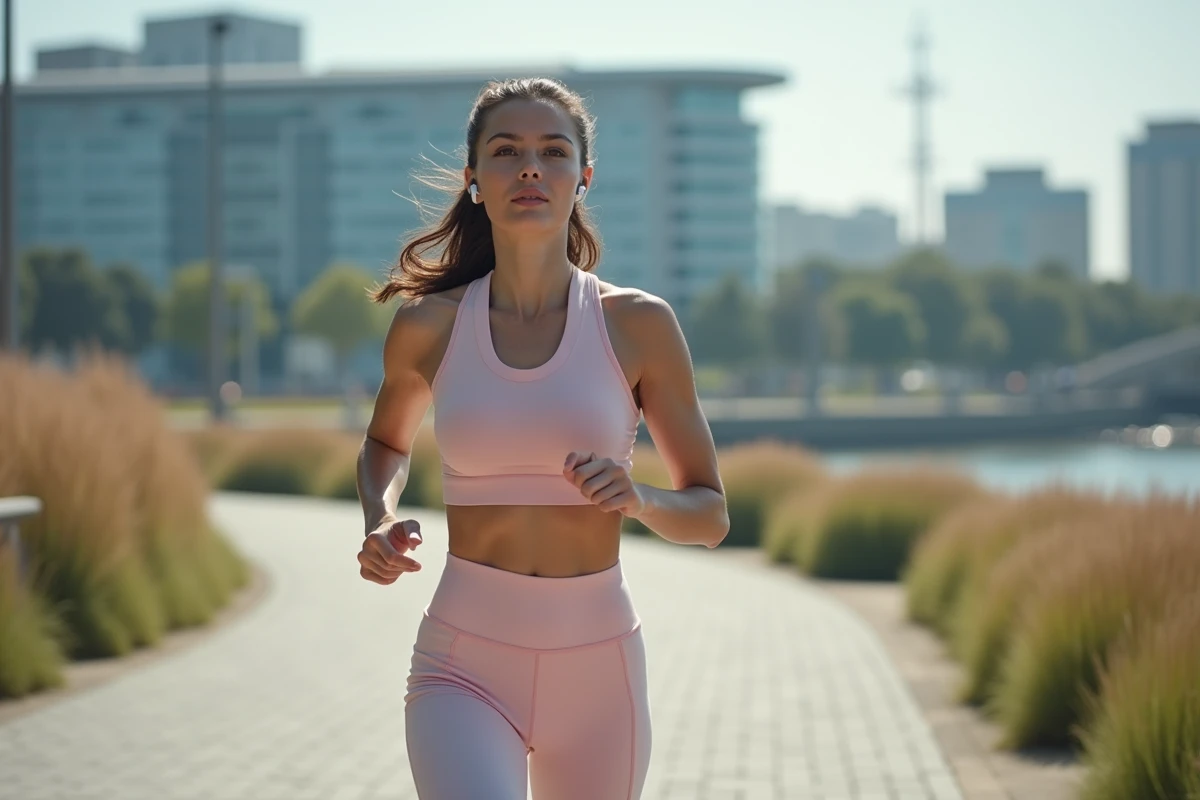
The notable trend of recent seasons is the clear decline of pure performance logic among practitioners aged 18 to 35. Surveys conducted by firms like Ipsos and Kantar on sports practices for 2024-2025 point in the same direction: pleasure and life balance are supplanting competition as the main motivations.
This movement, sometimes referred to as “slow sport,” is not merely a passing fad. It has accelerated since the end of the health crisis and affects running, fitness, and amateur team sports alike. Practitioners are less focused on breaking records and more on protecting their mental health.
This lifestyle trend is reflected in content shared by specialized media, where the sports and lifestyle news published on facefull-news.com illustrates this intersection between sports practice and the art of living. The “feel good” approach now permeates training programs, equipment ranges, and even the marketing vocabulary of brands.
For clubs and federations in France, the consequence is direct: it is necessary to rethink how to welcome audiences, offer less intimidating formats, and stop indexing everything on competition.
Return to local clubs and fatigue with all-digital
European sector reports, particularly those from EuropeActive and Deloitte, describe a sustained recovery of memberships in physical clubs after the peak enthusiasm for 100% online classes. The “full digital” model has not disappeared, but it no longer dominates the fitness market.
Practitioners have not abandoned their apps. However, they now prefer hybrid formats that combine digital tools, neighborhood clubs, and support from a human coach. The model that works looks like this:
- An app to track sessions and plan the week, without replacing human contact
- A club or gym accessible by foot or bike, chosen for proximity rather than brand recognition
- A coach or sports educator present physically, capable of adapting the program to the day’s feelings
This combination responds to a real fatigue. After several years of constant solicitation from notifications and automated programs, part of the audience is seeking a simpler, more local, and more human framework.
Athletes and influence: an economic role that goes beyond the field
The other structural transformation concerns the place of athletes in the media and commercial ecosystem. By 2026, elite athletes no longer just wear a sponsored jersey. They become content creators, investors, and lifestyle figures in their own right.
This phenomenon affects football, rugby, tennis (Roland-Garros remains a global crossroads of visibility), and many other disciplines. French athletes on the international stage are building personal brands whose value sometimes exceeds that of their sports contracts.
Changing media and broadcasting rights
This repositioning of athletes is part of a broader context: that of the reconfiguration of media rights. The rise of streaming platforms in sports consumption is reshuffling the deck. Ligue 1, European competitions, and major events like the FIFA World Cup 2026 are at the heart of negotiations where traditional economic models are faltering.
Historical broadcasters are losing ground to platforms, and federations are seeking to maximize their revenues while maintaining a broad audience. The balance between streaming and linear television remains unstable: the two formats coexist, and the speed at which streaming will take precedence will largely depend on upcoming bids for the rights to major competitions.
Corporate sports and prevention: an underutilized angle
Sport as a lever for employer attractiveness is gaining traction in France. Several initiatives now integrate physical activity into policies for preventing psychosocial risks.
Companies that offer sports slots, partnerships with gyms, or soft mobility programs see measurable effects on employee engagement. However, this “sport at work” dimension remains marginal in media coverage, which prefers major competitions and transfers from PSG or Milan.
The available data does not yet allow for conclusions about the exact scale of this phenomenon, but the trajectory is clear: sport is establishing itself as a human resources management tool, not just as a leisure activity.
Fashion and sport: when lifestyle dictates collections
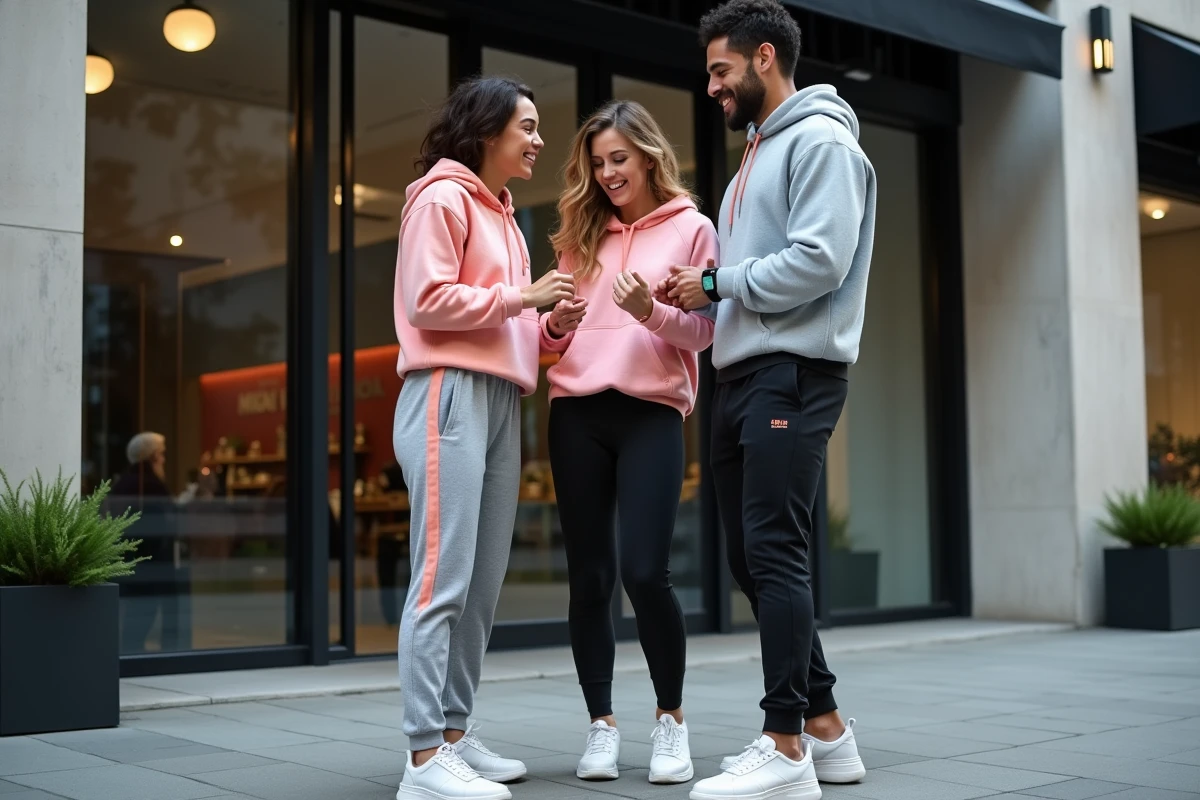
The boundary between sportswear and everyday fashion continues to blur. Historical sportswear brands are adapting their collections to a clientele that wears the same outfits at the office, in the gym, and in the city. This blurring of dress codes is not new, but it is accelerating this year with collaborations between fashion houses and equipment manufacturers.
- Technical sneakers are becoming sought-after fashion items, worn outside any sporting context
- Breathable materials and ergonomic cuts are migrating to professional wardrobes
- Capsule collections linked to major sporting events (Games, World Cup) generate sales spikes that exceed the sports audience
The sports lifestyle has become a market in its own right, with its codes, its influencers, and its commercial calendars aligned with the news of competitions.
What stands out this year is less a series of spectacular new developments than a fundamental change in the way sport is practiced, viewed, and consumed. Proximity, the meaning given to practice, and the hybridization between physical and digital form the foundation of this reconfiguration.