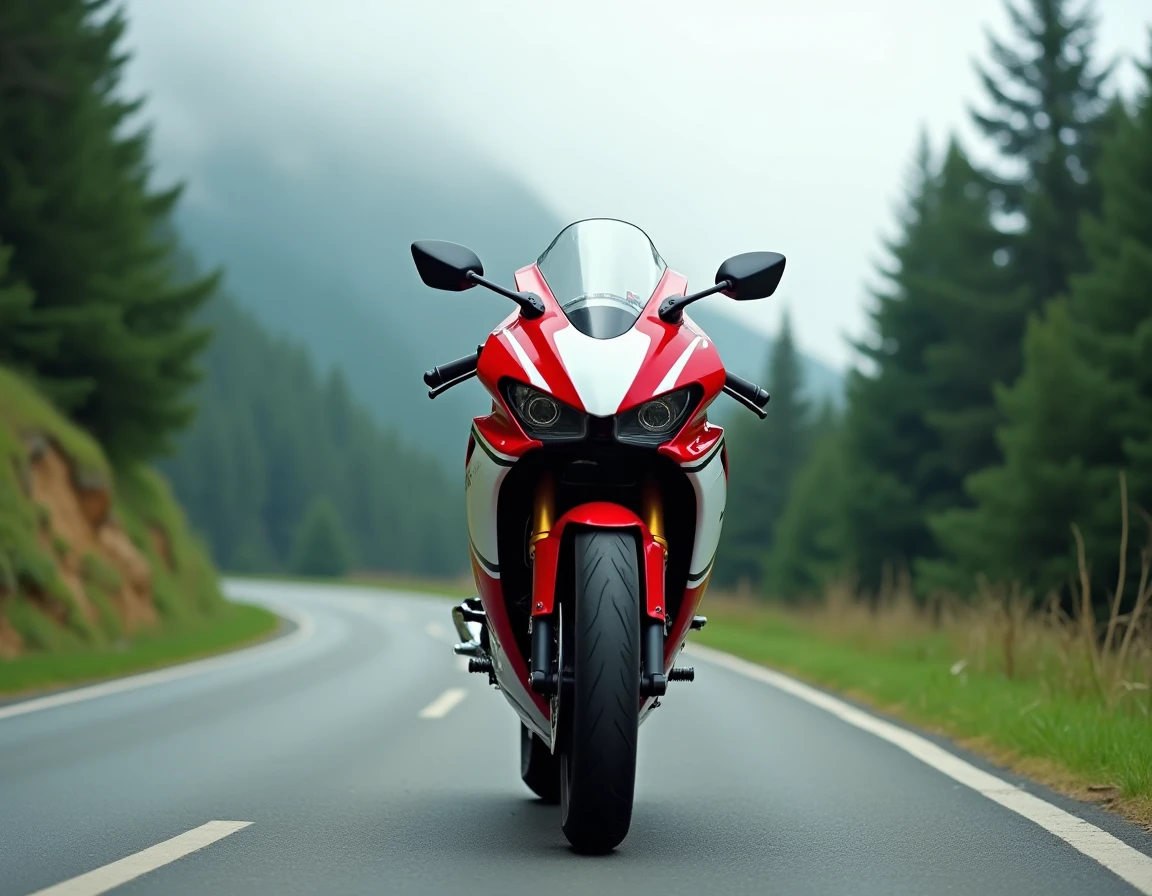
The Honda CBR 1000 F is powered by a liquid-cooled inline four-cylinder engine known for its mechanical longevity. The engine can handle very high mileages without requiring major intervention, provided that oil changes and valve clearance adjustments have been properly maintained. We note that the vast majority of reported engine failures on this model stem from neglected maintenance, not from a design flaw.
Aging peripherals of the CBR 1000 F: the real areas to watch
The engine block is almost never the issue. On a motorcycle produced between the late 1980s and the late 1990s, it is the peripherals that determine the actual reliability. Confusing the engine’s robustness with the overall reliability of the machine is the most common mistake when purchasing.
The cooling system deserves special attention. The original hoses harden over time, and a corroded radiator from the inside is not visible to the naked eye. A subtle leak at the water pump gasket can go unnoticed for months before causing overheating.
The electrical system accounts for a significant share of failures. The wiring harness, exposed to vibrations for decades, develops intermittent contacts. The starter relay and the regulator/rectifier are two components that frequently fail. A faulty regulator can overload the battery or, conversely, underpower it, leading to misleading symptoms (erratic starting, dim lights).
To delve deeper into the reliability of the Honda CBR 1000 F, the carburetors are another critical area: partially clogged jets or stiffened accelerator pump diaphragms can degrade the carburetion and skew the overall impression of the motorcycle.
- Cooling hoses and water pump gaskets: to be replaced systematically on a machine without documented history.
- Regulator/rectifier: test the charging voltage when hot before any purchase; an unstable value indicates a component nearing the end of its life.
- Carburetors: proper synchronization and cleaned jets transform engine behavior, but the work takes several hours.
- Steering head bearings and swingarm: even slight play affects stability, especially above 130 km/h.
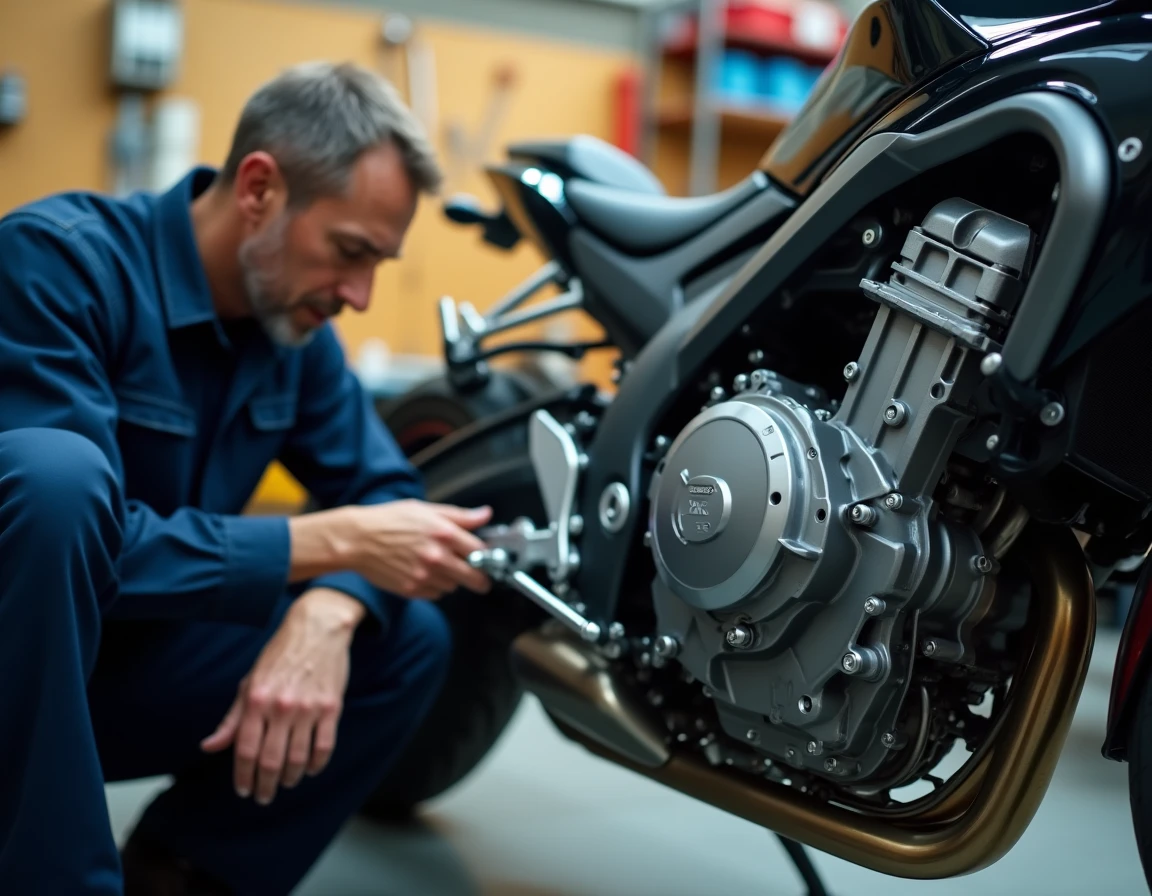
Barn find motorcycle versus CBR 1000 F with complete history
A neglected CBR 1000 F and a well-maintained CBR 1000 F are not the same motorcycle. The gap goes beyond cosmetic appearance. We recommend considering that a machine without a maintenance log requires a significant restoration budget before it can be truly reliable for daily use.
On a barn find motorcycle, the rear brake shoes (drum on some versions) or the front pads may be glazed. The discs, even if they appear correct visually, sometimes show a warp due to localized corrosion after prolonged storage. The brake system itself may contain a fluid that has become hygroscopic, with a dangerously low boiling point.
Chain, tires, and suspensions: the forgotten trio
The chain and the sprocket/crown kit are often neglected on machines that have been little used. A chain stored without lubrication for years develops hard spots invisible to the eye, which accelerate the wear of the transmission. Tires, even with an acceptable profile, may have hardened to the point of losing all grip in cool weather.
The suspensions are the most underestimated area. The fork of a CBR 1000 F whose seals have never been changed will leak sooner or later. The original rear shock absorber, on a motorcycle of this age, has lost some of its gas and damping properties. The result: a motorcycle that wobbles in fast corners and bounces on highway joints.
On a machine with a complete history, these areas have generally been addressed over time. The difference in road behavior between the two cases is spectacular.
Weight and ergonomics of the CBR 1000 F: what daily use reveals
The weight of the CBR 1000 F remains its most frequently cited structural flaw by riders. In low-speed maneuvers, especially in urban settings or on a sloped parking lot, the mass is immediately felt. For a home-to-work commute with frequent stops, this parameter deserves consideration.
On the other hand, the weight becomes an asset on open roads, where it stabilizes the motorcycle at high speeds and filters out road irregularities. The torque available from low revs allows for riding in sixth gear with a light throttle, making long trips remarkably relaxing.
The ergonomics favor medium to tall riders. The riding position, slightly leaning forward without being aggressive, is well-suited for journeys of several hundred kilometers. The passenger seat and grab handles make it a credible GT for two, provided the passenger accepts the seat height.

Purchase budget and hidden costs of a used CBR 1000 F
The acquisition price of a CBR 1000 F remains very accessible compared to newer sport-GTs. This accessibility logically attracts buyers with a tight budget, creating a paradox: the cheapest motorcycle to buy is often the most expensive to restore.
Common engine parts (gaskets, filters, spark plugs) are still easily found. Original bodywork elements are rarer, and their prices are gradually increasing. A cracked side fairing or a scratched windscreen can represent a significant cost if one wishes to maintain the original appearance.
- Complete chain kit (chain, sprocket, crown): available from most aftermarket suppliers, to be replaced at the first sign of excessive play.
- Complete carburetor overhaul: ultrasonic cleaning, replacement of diaphragms and O-rings, synchronization with a vacuum gauge.
- Replacement of the fork (seals, oil, springs): an almost mandatory step on any machine whose fork has not been serviced in over ten years.
The CBR 1000 F remains an endearing motorcycle for those willing to invest in its refurbishment. The engine block will likely last longer than everything else. It is precisely on “everything else” that the difference between a pleasant machine and a problem-prone money pit lies.