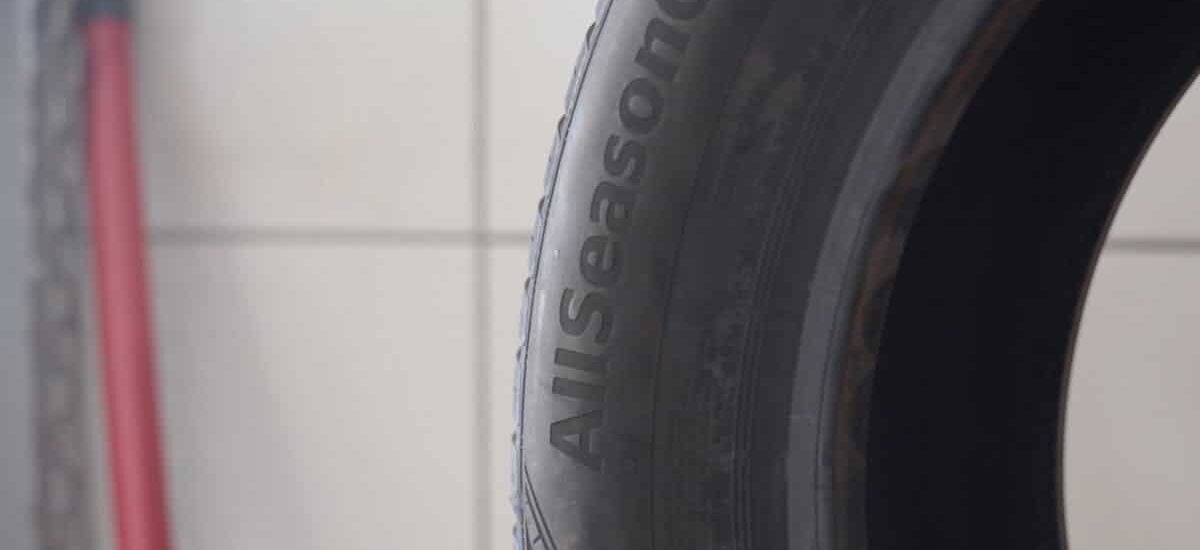
In the vast universe of transportation, a detail often overlooked but crucial is tire durability. This is a concern that regularly occupies drivers and automotive professionals. The distance a tire can travel before needing replacement is indeed essential data for travel planners, fleet managers, and motorists in general. This distance, expressed in kilometers, is not a fixed number. It varies depending on many factors, including tire type, driving conditions, and vehicle maintenance.
Origin and Durability of Tires: A Major Issue
Building on our discussion about the distance a tire can cover before being replaced, it is essential to examine the factors that influence its lifespan. The ‘tire lifespan’ is not a fixed concept; it varies based on a multitude of factors.
First comes your driving style. Sudden accelerations, abrupt braking, and sharp turns can significantly reduce tire lifespan. Additionally, a misaligned car or insufficient tire pressure can cause uneven wear and accelerate their deterioration.
The environment also plays a crucial role in tire longevity. From extreme weather conditions to poor road conditions, all these elements have the potential to affect the structural integrity of the rubber used in tires.
The weight of the vehicle is also an essential factor to consider when understanding the lifespan of tires: the heavier the vehicle (like an SUV, for example), the shorter the lifespan of your tires under this constant pressure.
Next is the significant influence of the manufacturer itself: whether you choose a premium or budget brand will directly affect the ‘tire lifespan.’ Some manufacturers offer models specifically designed to withstand intense wear, while others provide more standardized products with a lower lifespan.
Finally, the attention given to proper and regular maintenance will undoubtedly increase the ‘tire lifespan.’ This includes periodically checking and adjusting their inflation as necessary, as well as rotating them to ensure even wear from the friction they experience when in contact with the ground.
In short: there are many parameters at play when estimating how many kilometers our beloved tires will take us!
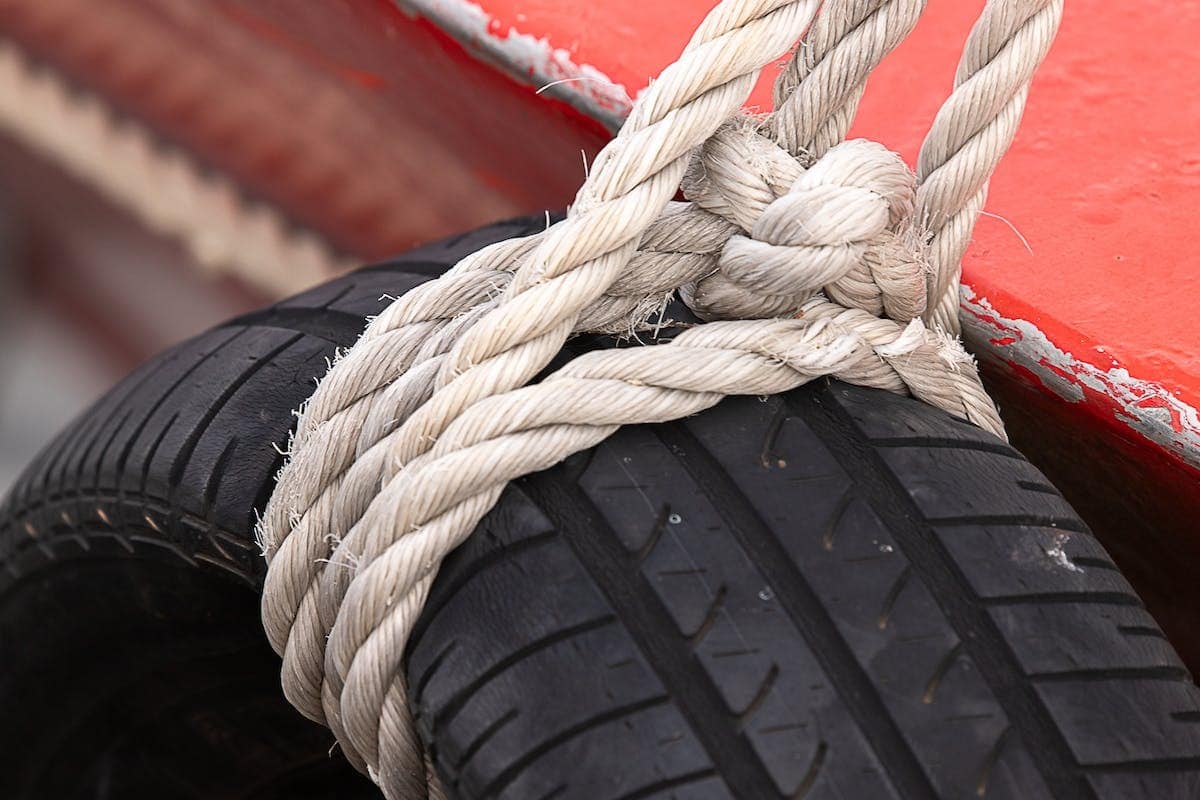
Factors Influencing Tire Longevity: Decoding
After considering all the elements that influence the lifespan of a tire, it is important to know how to identify the signals indicating that it is time to change it. Here are some signs to watch closely:
The wear of the tread: This is one of the main characteristics to consider when determining if a tire needs to be replaced. The tread patterns on the tire’s surface play an essential role in grip and water evacuation on wet roads. According to local regulations, when these patterns reach a depth of less than 1.6 millimeters, it is imperative to proceed with replacement.
Visible cracks or cuts on the tire’s sidewall: These damages can result from an impact with a sharp object or be a sign of excessive wear due to improper use or prolonged exposure to the elements.
Bulges and deformations: If you notice apparent irregularities on the tire’s surface, this may indicate that its internal structure has been compromised by repeated impacts against curbs or other road obstacles.
An abnormal loss of pressure: If you regularly have to inflate your tires because they deflate quickly, this may be a sign of a leak or a defect in their construction.
Excessive vibrations felt in the steering wheel: If you notice significant shaking or vibrations in the steering wheel, this may indicate a tire balancing issue or uneven wear.
A reduced grip on wet roads: If you find that your tires struggle to grip the road when it is wet, they may have lost their traction properties and therefore need replacement.
Be sure to take these signals into account to ensure your safety on the road. When you observe any of these indicators, it is recommended to consult a professional who can assess the overall condition of your tires and advise you on the necessary measures to take.
Although there is no exact duration for changing tires, it is important to maintain them to ensure your road safety. Regular maintenance and increased vigilance are the keys to fully enjoying optimal performance and longevity from your tires.
Signs of Tire Change: Don’t Ignore Them!
The consequences of driving with worn tires can be severe and jeopardize your safety on the road. The vehicle’s grip is greatly affected by the condition of the tires. Worn treads significantly reduce the ability to grip the road, especially on slippery or wet surfaces. This can lead to a significant increase in braking distance and make maneuvers more difficult to control.
Another major consequence is poor handling. Worn tires do not allow for optimal contact between the vehicle and the ground, which can cause instability during turns or rapid direction changes.
The risks of aquaplaning are significantly increased with degraded tires. Water accumulated on the road cannot be properly evacuated by worn treads, creating a film of water between the tire and the ground. In these conditions, it becomes extremely difficult, if not impossible, to maintain control of the vehicle.
Fuel economy is also impacted by the prolonged use of worn tires. An inadequate tread profile causes increased rolling resistance, forcing the engine to provide more energy to maintain the desired speed. Consequently, this results in a noticeable increase in fuel consumption and thus in your daily expenses.
Beyond the consequences directly related to road safety, it should be noted that driving with worn tires can also damage other vehicle components. For example, poor distribution of forces on the axles can lead to premature wear of the suspension or even misalignment of the steering.
Neglecting to replace your tires when they are worn presents a considerable risk to your safety and that of other road users. It is crucial to regularly monitor the condition of your tires and to replace them as soon as necessary. Investing in new tires ensures better grip, optimal handling, and thus helps maintain your peace of mind while ensuring safe driving.
Worn Tires: Risks on the Road to Avoid
Now that we have established the importance of changing worn tires, let’s see how to extend their lifespan. Here are some simple yet effective tips to maximize the longevity of your tires.
Pay attention to your driving style. Aggressive driving with sudden accelerations and abrupt braking leads to faster tire wear. Therefore, try to adopt a smooth and anticipatory driving style, avoiding sudden steering movements and maintaining a constant speed when possible.
Be sure to regularly check the tire pressure. Incorrect levels can cause uneven wear or even premature wear of the tread. Also, ensure that the pressure is in line with the recommended specifications by the vehicle manufacturer.
Tips to Extend the Life of Your Tires
In the field of tires, there are also interesting alternatives to traditional tires. Two options stand out particularly: retreaded tires and eco-friendly tires.
Retreaded tires are an economical and environmentally friendly solution. They involve reusing the casing of an old tire by adding a new tread. This allows for extending the tire lifespan while reducing the costs associated with complete replacement. The main advantages of retreaded tires lie in their affordable price and their contribution to preserving natural resources.
As for eco-friendly tires, they are designed with increased environmental concern. They often incorporate recycled or biodegradable materials, as well as innovative technologies to optimize their energy efficiency. These types of tires not only help reduce our carbon footprint but also offer better grip on wet or snowy roads, thus improving road safety.
You should note that these alternatives may have certain limitations depending on usage and the type of vehicle used. You must pay particular attention to these tires to maximize their durability. By adopting a smooth driving style, regularly checking tire pressure, and considering the available alternatives on the market, you can extend the life of your tires while contributing to safer and environmentally friendly driving.
Beyond Traditional Tires: What Alternatives
Beyond alternatives to traditional tires, it is important to highlight the influence of road conditions and driving style on the lifespan of a tire. Indeed, a driver who adopts an aggressive driving style with sudden accelerations and violent braking will tend to wear out their tires more quickly.
Similarly, bumpy roads or those with potholes can cause premature tire wear. It is therefore essential to adapt your driving style according to these factors to maximize the longevity of your tires.
There are some signals indicating that a tire change is necessary. A significant reduction in tread depth can reduce the vehicle’s grip on wet pavement and increase the risk of aquaplaning. In this case, you should consider replacing the affected tire(s).
It is also recommended to regularly inspect the tire sidewalls for any cracks or deformations that could compromise safety. If you notice uneven wear on your tires, this may be a sign of an underlying mechanical issue such as poor alignment or bearing imbalance.